Divine Treasure Unveiled
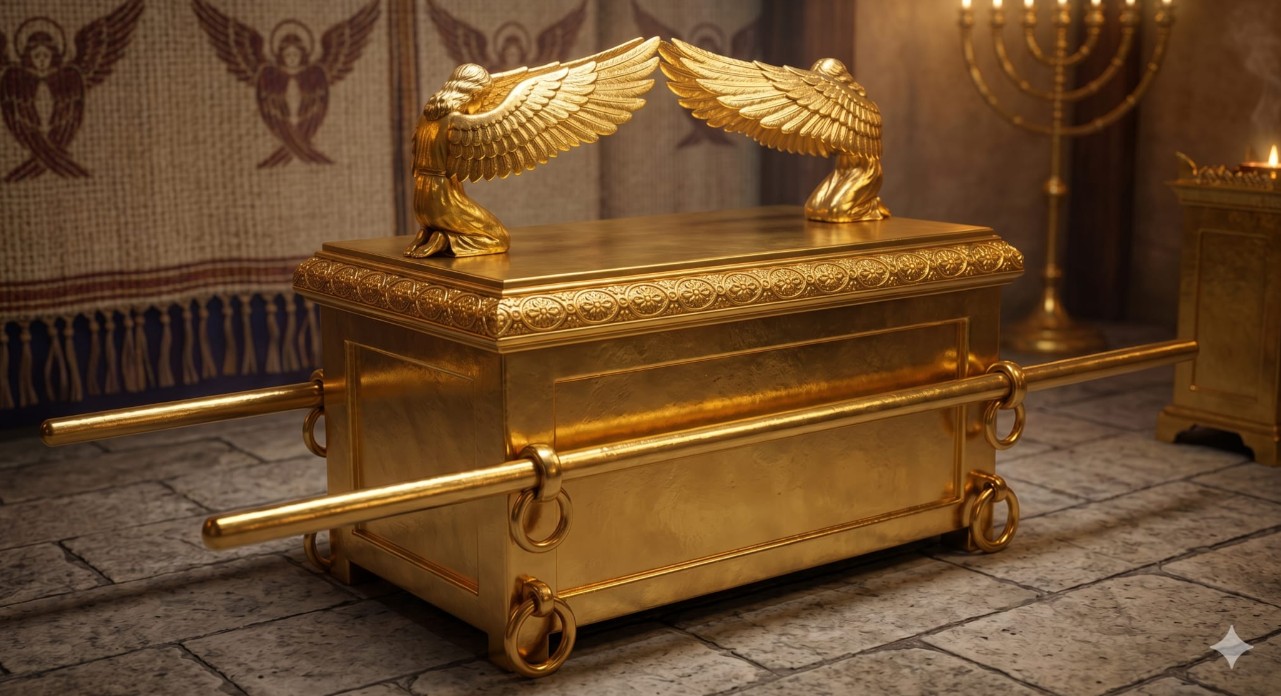
Behold the sacred chest holding divine power and mystery
Introduction
The Ark of the Covenant is one of the most mysterious and sacred objects in religious history. It is described as a divine chest built to hold the tablets of the Ten Commandments.
Its story appears in multiple religious traditions and has inspired centuries of belief, exploration, and debate.
Religious References
| Religion | Description | Source |
|---|---|---|
| Judaism | Central sacred object carried by Israelites | Torah (Exodus) |
| Christianity | Symbol of God's covenant with humanity | Old Testament |
| Islam | Known as "Tabut al-Sakina" | Qur'an (Surah Al-Baqarah 2:248) |
Description of the Ark
| Feature | Details |
|---|---|
| Material | Acacia wood covered with gold |
| Contents | Tablets of Ten Commandments, Aaron's staff, sacred items |
| Carriers | Only priests (Levites) were allowed to carry it |
| Power | Believed to hold divine presence |
Historical Events
According to religious texts, the Ark was carried during the Israelites’ journey and played a role in major events, such as the crossing of the Jordan River and the fall of Jericho.
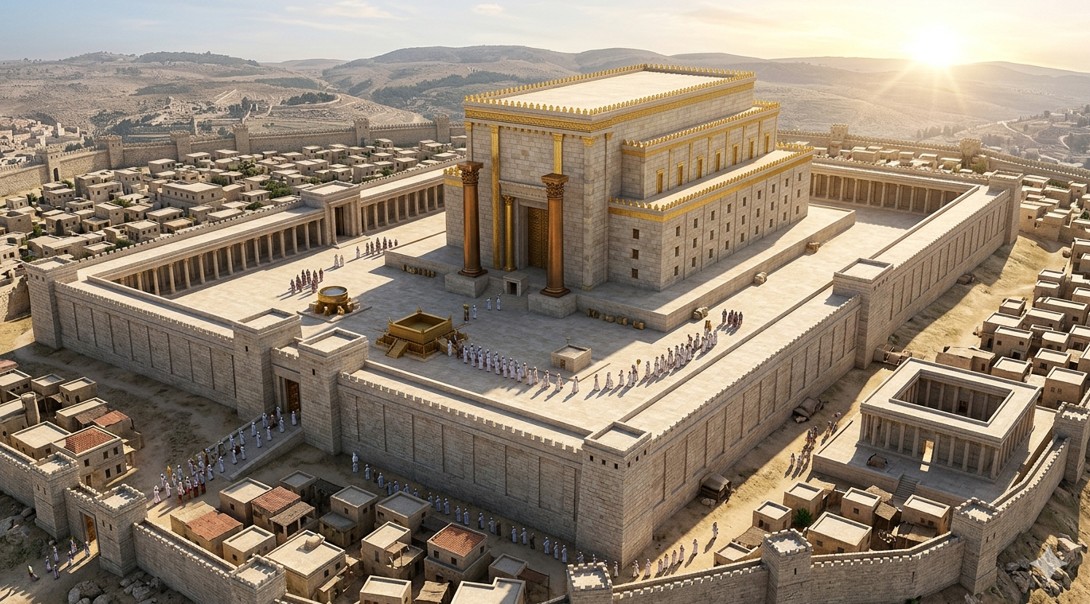
It was later placed in the Temple of Solomon in Jerusalem.
Disappearance and Mystery
The Ark disappeared after the destruction of Jerusalem by the Babylonians in 586 BCE. Its location remains unknown.
| Theory | Explanation |
|---|---|
| Ethiopia | Claimed to be kept in Axum church |
| Hidden in Temple | Possibly buried before invasion |
| Destroyed | May have been lost during Babylonian attack |
Evidence and Historical Sources
There is no confirmed archaeological evidence proving the Ark's existence. However, its description is consistently mentioned in religious texts.
| Source | Type | Reliability |
|---|---|---|
| Torah | Religious Text | Primary Source |
| Bible | Religious Text | Primary Source |
| Qur'an | Religious Text | Primary Source |
| Archaeology | Scientific Research | No confirmed findings |
Who Could Touch the Ark?
According to religious law, only specific priests (Levites) were allowed to carry the Ark. Touching it improperly was believed to result in death.
This rule emphasized the holiness and danger associated with divine power.